
How many restrooms does a county fair need?
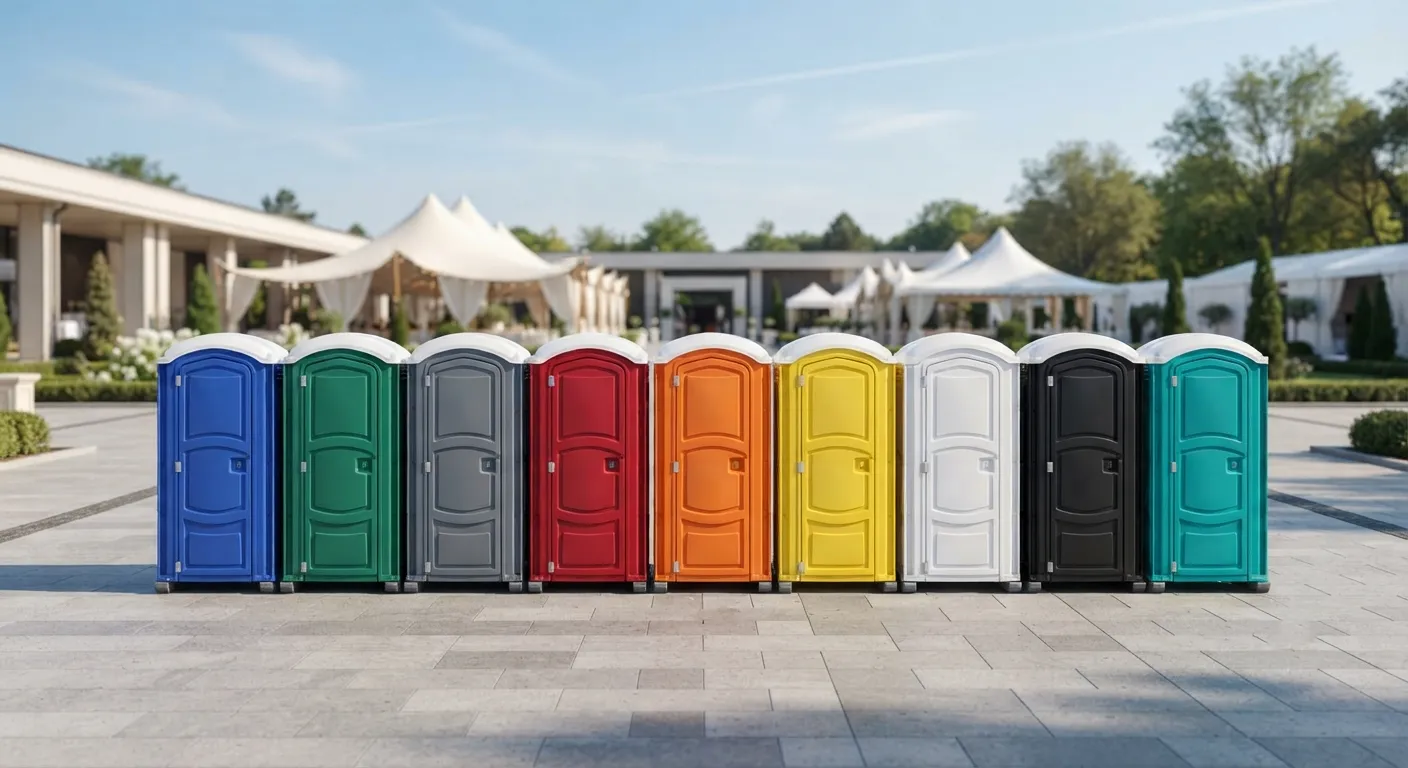
Start with your expected daily gate count, then work backward. Fair crowds are not steady like an office; they spike at midday and after evening events, so undercounting by even 10 percent shows up fast as long lines outside the standard porta potty bank. A workable rule for Council Bluffs fairs: figure one unit per 20 to 40 guests during the busiest two-hour window, then check that math against your gate history from past years. Grandstand shows, livestock barns and midway zones each pull their own crowd, so most fairs end up ordering separate clusters rather than one central bank. ADA Standards 213.2 requires at least one accessible unit per cluster, never fewer than one even for a small grouping, and we always include a deluxe flushable option near main stages where people expect something closer to a real restroom. If your fair also runs a beer garden or food court with its own line of hand-labor vendors, treat that as its own head count instead of folding it into the main total. Livestock areas bring different needs too, closer to what we plan for farm and agricultural events than for the midway. Not sure where you land? Our porta potty calculator guide walks through the math with your actual attendance numbers instead of a flat ratio.
What restroom setup works best for a multi-day fair?
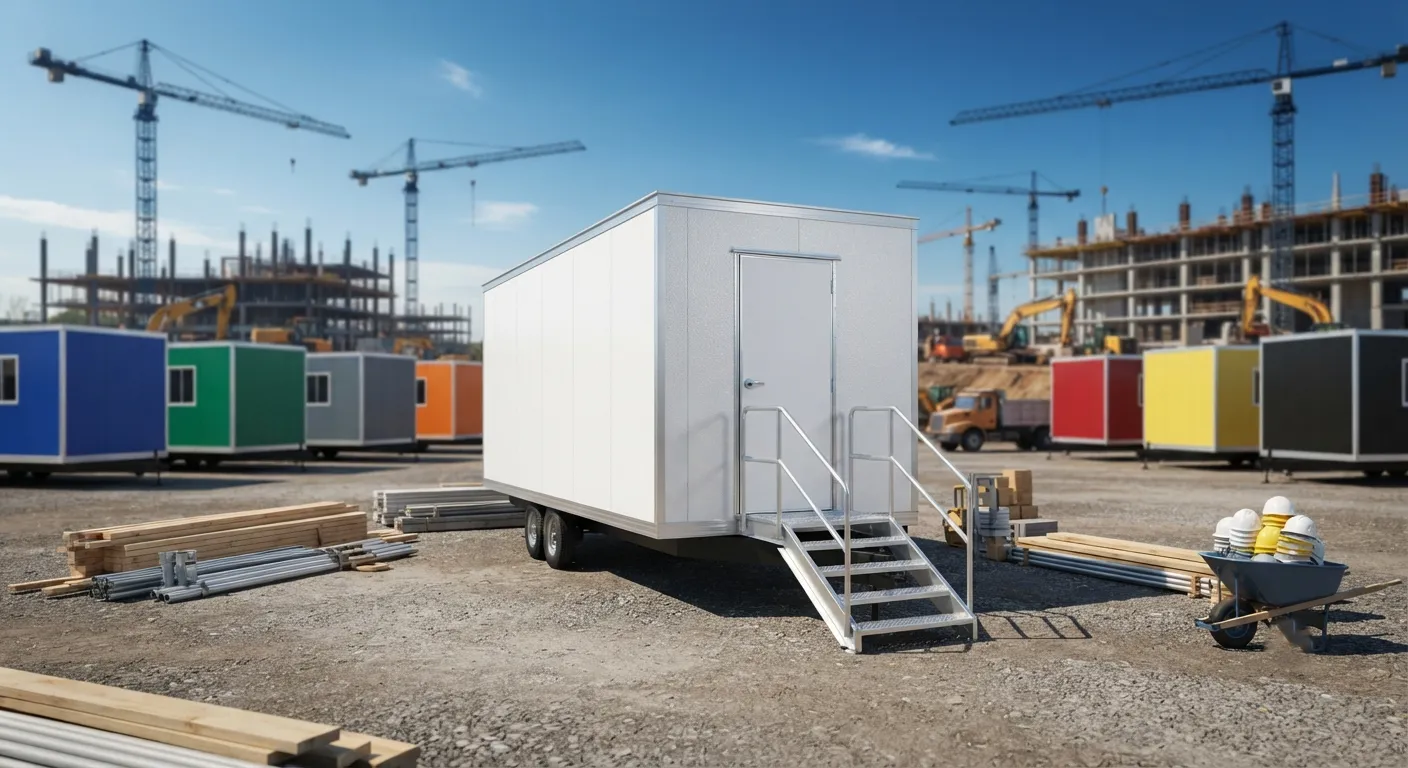
Multi-day fairs need a servicing rhythm built in from day one, not added after complaints start. ANSI/PSAI Z4.3, the portable sanitation service standard, sets a baseline of one service visit per week for up to 10 users across a 40-hour week; a fair running 10 to 14 hours a day for four or five days with thousands of guests blows past that baseline fast, which is why we schedule daily or twice-daily pump-outs during fair week rather than a single mid-week visit. Standard units carry a 60 to 70 gallon holding tank and stand about 92 inches tall, footprint roughly 44 by 48 inches, so they fit tight rows along fence lines without eating walkway space. For fairs wanting something closer to indoor plumbing near sponsor tents or VIP areas, a restroom trailer with multiple stalls handles higher traffic without the wait, and our 4 stall and 8 stall options both work off a generator or shore power depending on your grounds. Handwashing matters as much as toilet count: 29 CFR 1910.141(d)(2) requires soap and towels or a hand-drying device at wash stations, and hand sanitizer alone does not satisfy that. Food vendor rows should get portable sinks placed within a short walk, not just sanitizer stands. Pair that with a temporary fence line to keep restroom paths clear of vehicle and livestock traffic, and a few light towers if evening events run past dusk.
Where should restrooms go on the fairgrounds?
Placement decides whether your restroom plan actually works once gates open. Our placement guide covers ground stability, ADA route width and delivery access, all of which matter more at a fairground than a typical job site. ADA Standards 403.5.1 requires a 36 inch clear accessible route, and ADA Standards 302.1 calls for stable, firm, slip-resistant ground, which rules out loose gravel or soft turf for accessible unit pads. Cluster restrooms near high-traffic anchors: main stage, livestock barns, midway entrance and food court, rather than one central location guests have to walk far to reach. A roll-off dumpster or two near vendor rows keeps trash from piling up around restroom clusters, which matters for both looks and pest control. If your fairgrounds sit on a site without hookups, a temporary power pole can run trailer lighting and pumps. Council Bluffs fair organizers working with grounds near Weston, about 10.5 miles northeast, or Mineola, 17.5 miles southeast, should flag delivery routes early since a roll-off truck needs about 60 feet of straight clearance behind it to place a container. Get your quote request in with a grounds map attached; it speeds up placement planning more than a phone call alone.
How far in advance should we book fair restrooms?
Book 60 to 90 days out if your fair falls during a busy regional season, since trailers and ADA units book first. Council Bluffs Porta Pros holds fair-week inventory separately from daily rentals, but popular weekends still fill. Contact us early through the contact page.
Do we need ADA units even for a small fair?
Yes. ADA Standards 213.2 requires at least one accessible unit per cluster, with no exception for small events. A single-stage fair with one restroom bank still needs one ADA unit in that bank, not one for the whole grounds.
Can we add restrooms mid-week if crowds run higher than planned?
Yes, and it happens often. Call ahead so we can route a truck same day or next morning. Our emergency porta potty service covers exactly this kind of mid-event gap.
What does a county fair restroom rental cost?
Standard units run in the $200 to $800 range for multi-day event pricing, driven by unit count, service frequency and ADA units mixed in. See our event restroom pricing page for a fuller breakdown by scale.
Do fairgrounds need a fence permit for restroom areas?
Permit rules vary by grounds and site owner, and we have not verified a citywide fencing ordinance for Council Bluffs. Confirm placement rules directly with the fairgrounds operator or city office before your event, and check our fence cost guide for planning numbers.
Next step
Get a delivery date
Tell us the address, the dates and the headcount. We size the order and confirm the route.